Exploring Local Cultures Through Culinary Experiences
Culinary experiences offer an enriching way to connect with local cultures during your travels. By engaging with local foods, you can gain insight into traditions, lifestyles, and the history that shapes a community.
Understanding the Role of Food in Culture
Food is not merely sustenance; it plays a crucial role in cultural identity and social bonding. According to anthropologists, many societies use food as a vehicle for expressing cultural values and traditions. Meals are often centered around family gatherings, religious rituals, and community celebrations, making culinary experiences a rich field for cultural exploration.
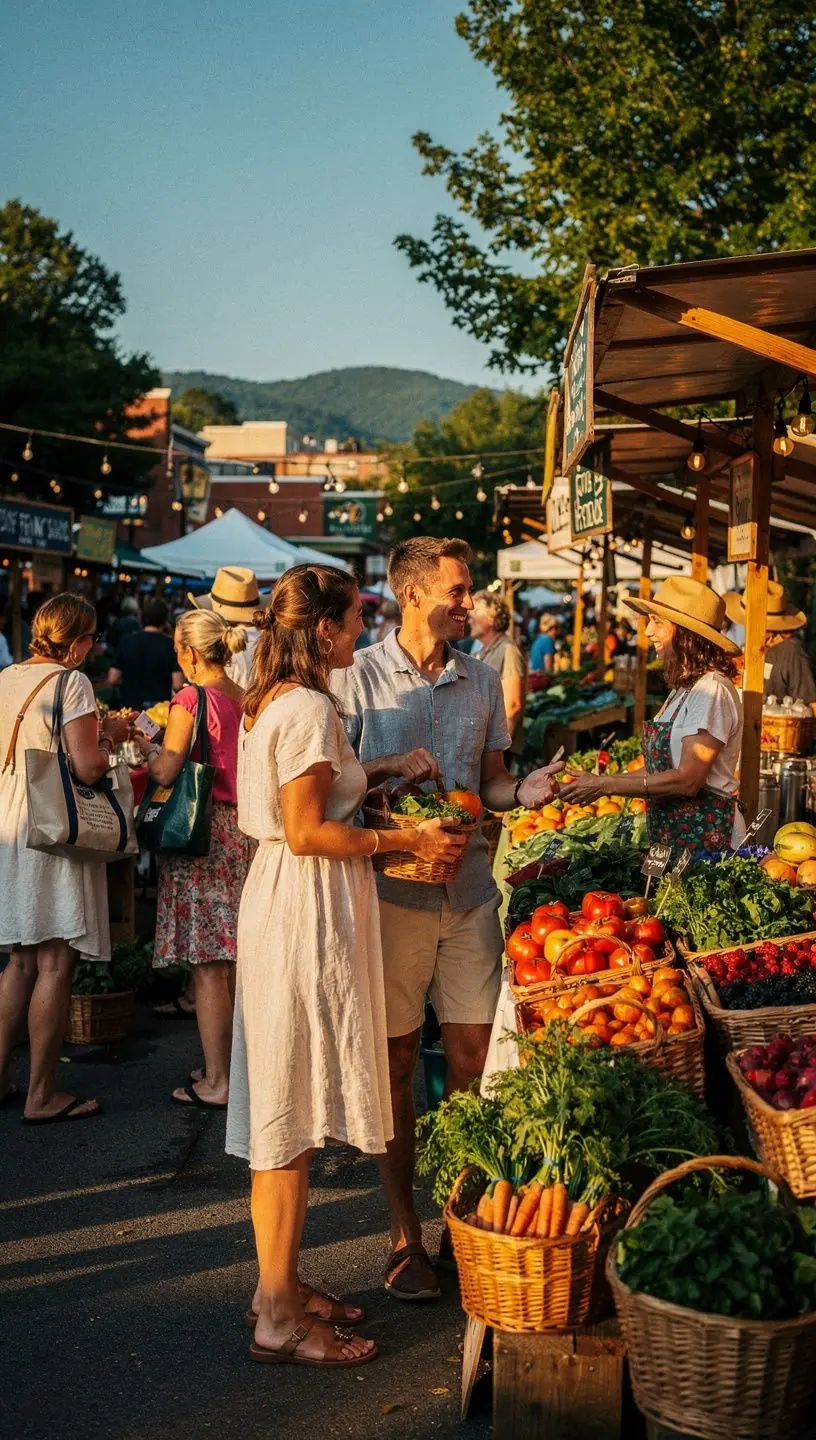
"Food is a universal language that speaks volumes about a culture's history and values."
Why Culinary Experiences Matter
Engaging in culinary experiences during your travels can enhance your understanding of a place. Studies show that culinary tourism is often linked to greater cultural appreciation, as travelers who participate in local cooking classes or food tours frequently report a deeper connection to the community. This works because:
- Active Participation: Cooking or tasting local dishes allows travelers to engage with the community on a personal level.
- Learning Opportunities: Many culinary experiences include storytelling, providing context and historical background that enrich the experience.
- Support for Local Economies: Engaging with local food markets and restaurants helps sustain local businesses, fostering community growth.
Practical Tips for Culinary Exploration
Here are some actionable tips to enhance your culinary adventures:
- Join Cooking Classes: Look for classes that focus on traditional dishes. These sessions typically last a few hours and provide hands-on experience with local ingredients.
- Visit Local Markets: Exploring farmer's markets or food festivals can be time-consuming, but it often leads to discovering unique local flavors and ingredients.
- Engage with Locals: Don’t hesitate to ask locals for their favorite dining spots or signature dishes. Many users report that these recommendations lead to unforgettable dining experiences.
Challenges and Considerations
While culinary experiences can be incredibly rewarding, they may also pose challenges. Engaging with local cuisine often requires some effort, including:
- Time Commitment: Culinary tours and classes typically take several hours, so planning is essential.
- Cultural Sensitivity: Understanding local customs around food, such as dining etiquette, is crucial to avoid misunderstandings.
- Dietary Restrictions: If you have food allergies or dietary preferences, communicate these clearly to instructors or hosts to ensure a positive experience.
Conclusion
Exploring local cultures through culinary experiences can greatly enhance your travel adventure. By immersing yourself in local foods and traditions, you not only satisfy your palate but also gain a deeper understanding of the people and places you visit. Remember to approach these experiences with openness and curiosity, allowing yourself to fully engage with the culinary heritage of each destination.